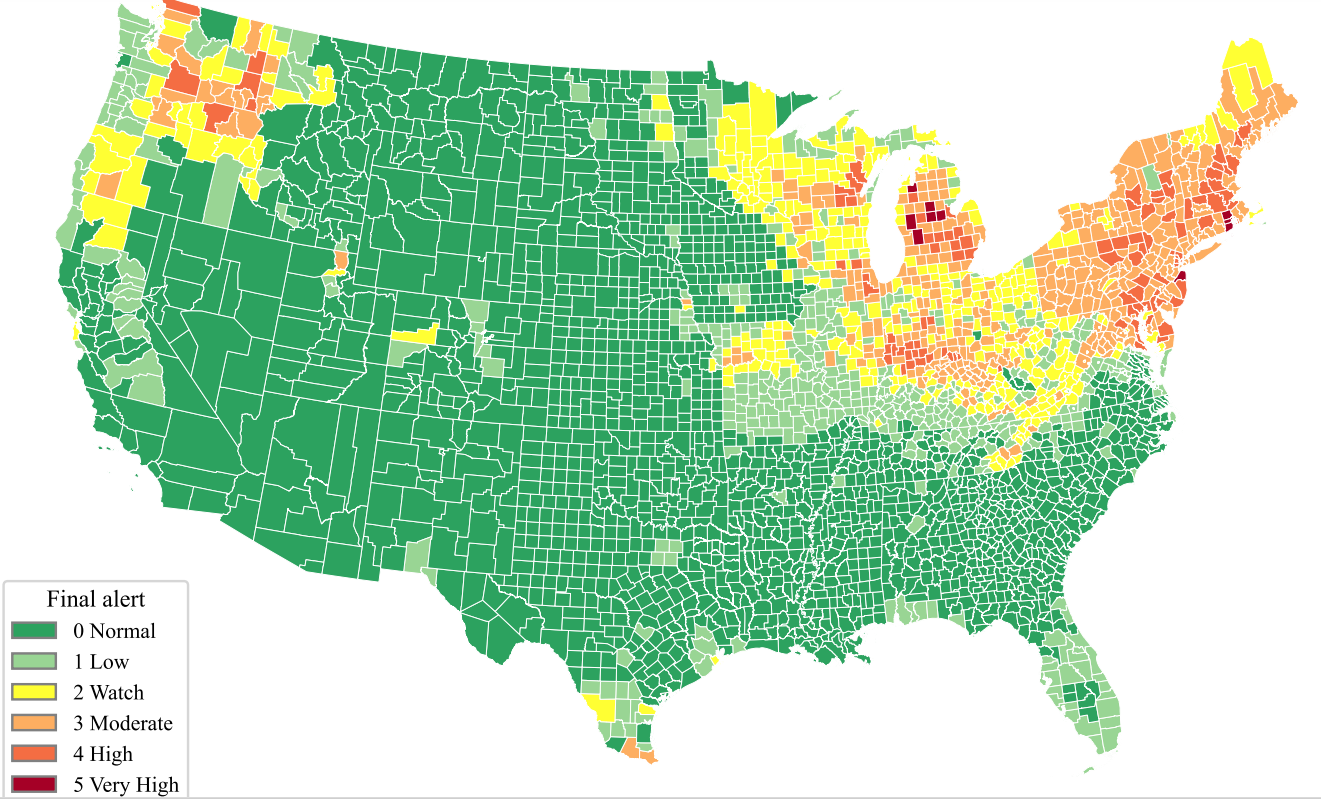

This GeoAI & TrendAI Lyme alert map supports public awareness of tick bite risk, possible Lyme disease exposure, blacklegged tick activity, and areas where rash or flu-like symptoms after outdoor exposure should be monitored.
These external links provide general public-health information and care-seeking resources.

Learn about Lyme disease, symptoms, prevention, testing, diagnosis, and treatment from CDC.
Open CDC
Access HHS Lyme disease information and federal resources for patients and families.
Open HHS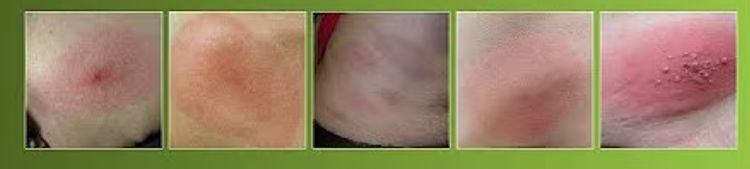
Explore videos on Lyme disease, tick bites, rash signs, and simple prevention tips.
Open YouTube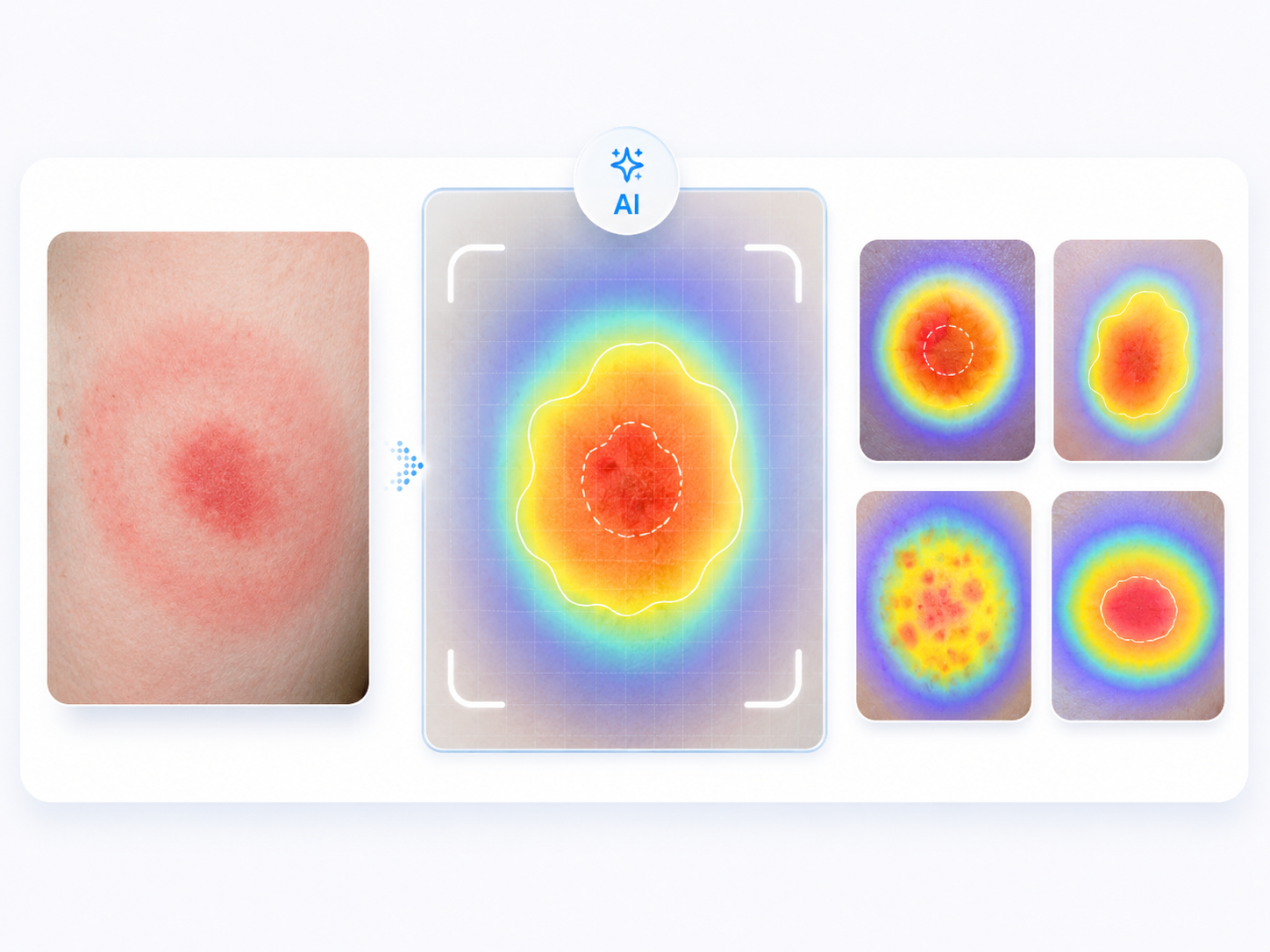
Upload a skin image and let Vision AI (Deep Learning) compare its pattern with Lyme-like, similar-looking, and other skin-pattern examples.
Try Rash Pattern CheckLooking up Lyme disease, tick bites, or possible symptoms can feel stressful. Take a short break and play a simple bug-sorting game.
External game from PestWorld for Kids , an educational resource associated with the National Pest Management Association (NPMA).
Play Bug Game
Recent weekly Lyme alert reports are listed below.
A weekly Lyme alert means that signals suggest increased local awareness may be useful. If your county appears in a high-alert area, take extra care with tick bite prevention, tick checks, and outdoor exposure.
If you are in a Lyme alert area and develop an expanding rash, bullseye-like rash, fever, fatigue, headache, muscle aches, or joint pain after a tick bite, seek medical care promptly.
Lyme disease in many U.S. regions is linked to infected blacklegged ticks, also called deer ticks. Checking your body, clothing, children, and pets after outdoor activity can help reduce risk.
Use this weekly Lyme alert to check the map, review high-alert counties, monitor possible rash or symptoms, and connect to trusted health resources when needed. These Lyme alerts are for awareness only and are not medical diagnosis or treatment advice.